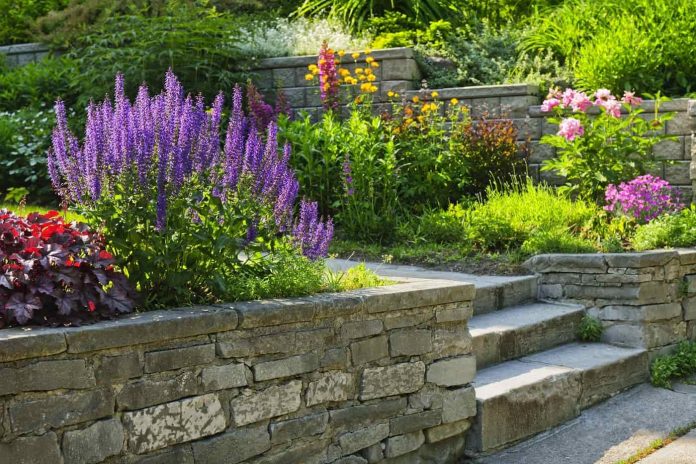
Outdoor landscaping is evolving, and in 2025, bluestone and natural outcropping stones are taking center stage. These materials blend durability with timeless beauty, offering homeowners a chance to create stunning, low-maintenance spaces that harmonize with nature. From sleek patios to rustic garden features, their versatility is unmatched.
As sustainability and natural aesthetics gain popularity, these stones are becoming a go-to choice for landscape designs. They not only enhance curb appeal but also provide functional benefits like erosion control and long-lasting surfaces. Whether it’s modern minimalism or a rugged, organic vibe, bluestone and outcropping stones set the perfect foundation for outdoor transformations.
Using Outcropping Stones to Shape Natural Terrains
Outcropping stones create seamless transitions between varying elevations in outdoor landscapes. Their natural edges and textures replicate the appearance of undisturbed geological formations, ensuring a harmonious fit within the surrounding environment. These stones work well for building retaining walls, designing layered gardens, and stabilizing slopes.
Sustainably sourced materials, including those from regions like Ohio, offer durability and authenticity. Weight considerations play a significant role during transport and installation, as these stones are typically dense and substantial. Experts recommend professional handling to ensure stability and proper placement.
By pairing outcropping stones with bluestone pathways or patios, homeowners enhance functionality while maintaining visual continuity. These materials address erosion control by reinforcing terrain, especially on uneven landscapes. Discover more about outcropping stone Ohio projects, where designers increasingly utilize this combination for cohesive, organic aesthetics.
Combining Bluestone With Retaining Structures for Drainage Control
Bluestone enhances the functionality of retaining structures, improving drainage control in landscapes with varying elevations. Retaining walls constructed using natural outcropping stones provide structural stability, while incorporating bluestone coping or caps increases durability and ensures water runs off smoothly during heavy rainfall. Combining these materials creates an effective and visually appealing solution for managing water flow.
Outcropping stones, particularly those sourced from Ohio, are ideal for building tiered retaining systems that mimic natural terrains. Builders often use bluestone as a complementary element in these projects, installing it in pathways, steps, or patios adjacent to retaining walls. This integration provides consistent design aesthetics and improves overall soil retention in sloped areas.
Professionally designed retaining structures using these materials address erosion challenges while reducing maintenance needs. Bluestone’s non-porous surface resists water infiltration, protecting underlying outcropping stones from prolonged exposure. Utilizing both stones not only manages drainage but also introduces a timeless, cohesive look to outdoor spaces.
Site Preparation and Weight Management for Heavy Stone Installs
Proper site preparation ensures stability and longevity in heavy stone installations. For bluestone and outcropping stone projects, areas must first be cleared of debris and graded for a level foundation. Excavation may also be necessary for retaining walls or large features where stones need a secure base. Compacted gravel and sand layers create a stable surface to handle the weight of heavy stones.
Weight management is vital when handling dense materials like outcropping stones sourced from Ohio. These stones can weigh hundreds of pounds, requiring professional-grade equipment such as forklifts or skid steers for transport and placement. During installation, stones should be strategically positioned to distribute weight evenly and reduce pressure points within the structure.
To enhance efficiency, crews often pre-plan the layout to minimize unnecessary movements and adjustments. Using smaller stones or chippings to fill gaps enhances load distribution while creating a seamless finish. By following these practices, homeowners and contractors can ensure durable and visually appealing stone landscapes.
Discover more about sourcing materials like bluestone and outcropping stone from Ohio suppliers to achieve both aesthetic and functional results in landscaping.
Visual Impact: Layering Textures and Colors in Outdoor Design
Layering bluestone and outcropping stones creates dynamic visual depth in outdoor spaces. Bluestone, with its smooth finish and rich shades of blue-gray, complements the rugged, earthy tones of natural outcropping stones. This pairing introduces contrast while maintaining harmony, enhancing both modern and organic landscape aesthetics.
Incorporating gradations of color enhances design appeal. For example, blending bluestone pavers with outcropping stone retaining walls introduces tonal variety, reflecting natural terrain transitions. The range of textures accentuates paths, patios, and garden edges, transforming simple layouts into visually striking features.
Outcropping stones, sourced from regions like Ohio, often showcase irregular textures that mimic native geological formations. Their rustic appearance contrasts with the refined surfaces of bluestone coping or steps. This interplay boosts aesthetic appeal while offering practical functionality, such as stabilizing elevations and improving drainage.
Strategic placement of these materials amplifies their impact. Positioning larger outcropping stones in focal points, such as garden borders or water features, creates natural focal elements. Surrounding them with bluestone pathways or seating areas balances robust and refined textures, ensuring cohesion throughout the landscape.
Color and texture synergy between bluestone and outcropping stones reflects nature’s balance, delivering layered designs that are visually compelling. Landscapers and homeowners alike discover more opportunities for creativity by integrating these versatile materials into cohesive, functional outdoor spaces.
Erosion Control Benefits of Strategic Stone Placement
Strategically placed bluestone and outcropping stones effectively mitigate soil erosion in sloped landscapes. Their density and weight anchor loose soil, reducing runoff impact and maintaining structural stability. For example, outcropping stones create natural-looking retaining barriers that control soil displacement during rainfall.
Layered installations improve water flow management by redirecting excess rainwater. Bluestone pathways and patios paired with outcropping stone borders ensure drainage efficiency without compromising appearance. These materials create seamless transitions while preventing water pooling that accelerates erosion near foundations or plant beds.
Outcropping stones from Ohio contribute durability due to their weather resistance, ensuring long-term erosion control solutions. Their natural textures replicate native terrains, making them ideal for projects that prioritize aesthetics alongside functionality. By incorporating these stones into retaining walls or borders, homeowners enhance slope stabilization while achieving cohesive design.
Sourcing Considerations for Natural Outcropping Material
Investing in high-quality bluestone and natural outcropping stones can transform outdoor spaces into durable, visually stunning landscapes. Choosing materials from reputable suppliers ensures authenticity, longevity, and sustainability. Regions like Ohio offer exceptional options, providing stones with unmatched durability and natural charm.
Collaborating with skilled professionals for sourcing and installation guarantees optimal results. From proper site preparation to strategic stone placement, expert handling enhances both functionality and design appeal. By prioritizing quality and craftsmanship, homeowners and contractors can create timeless outdoor environments that balance aesthetics with practicality.
