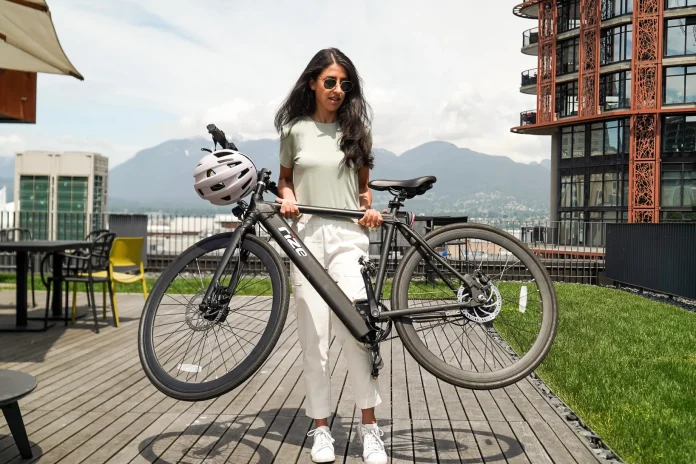
Electric bikes are revolutionizing the way people approach daily commutes, offering a blend of convenience and efficiency. Among the various options available, 36V 750W e-bike kits stand out as a powerful and versatile choice for transforming a regular bike into a reliable commuting companion. These kits provide the perfect balance of speed and energy efficiency, making them ideal for urban riders.
For those juggling busy schedules or navigating long distances, these e-bike kits simplify the journey. They’re designed to handle diverse terrains while reducing the effort required to pedal, ensuring a smoother and more enjoyable ride. Whether commuting to work or running errands, they offer a practical solution for cutting down on travel time and expenses.
Best Use Cases for 750W Kits in Urban Grid Environments
Navigating Dense City Traffic
The 36V 750W E-bike Kit offers efficient maneuverability through crowded urban grids. Its power output supports quick acceleration, making it easier to keep up with traffic during stop-and-go conditions. Riders can conserve energy while maintaining speeds suitable for bike lanes and shared roads.
Covering Medium-Distance Commutes
For distances between 10-30 miles, this kit provides a balance of power and range. The 36V battery ensures sustained performance, while the 750W motor enables consistent speeds of 20-25 mph without straining the system. This is ideal for professionals traveling across suburbs or between city centers.
Tackling Urban Hills and Slopes
Equipped with a geared motor, the 750W kit excels at climbing moderate inclines. It delivers sufficient torque to ascend hills common in cities without excessive pedaling effort. This feature benefits riders in areas with uneven terrain, reducing commuting time and fatigue.
Efficient Errand Runs
This e-bike kit simplifies running errands by supporting additional weight from shopping bags or briefcases. Conversion kits compatible with standard bike frames allow users to attach panniers or cargo baskets, increasing utility for urban tasks.
Recreational Exploration
Beyond commuting, the kit serves city dwellers looking to explore urban parks or waterfronts. Its power and moderate range encourage casual rides without concerns over battery depletion. Such versatility makes it a practical choice for leisure trips within city boundaries.
Geared Motors vs. Direct Drive: 2025 Efficiency Comparison
Geared motors and direct drive systems remain dominant choices in 36V 750W e-bike kits. Each motor type offers distinct advantages, primarily impacting energy efficiency, performance, and usability during daily commutes.
- Energy Efficiency: Geared motors maximize efficiency by utilizing internal gears to reduce motor strain. This design delivers higher torque for hill climbing and stop-and-go traffic, making it ideal for urban riders. Direct drive motors consume more power during acceleration but maintain efficiency at consistent speeds, positioning them as better for straight, long-distance routes.
- Weight and Size: Geared motors are compact and lightweight, reducing overall bike weight and improving handling for city navigation. Direct drive motors are bulkier due to their larger stator and rotor, slightly impacting maneuverability, especially when making frequent stops.
- Hill Performance: Geared motors excel on steep inclines, as their lower rotational speed translates to higher torque output. Direct drive motors, while capable, require more power to achieve comparable climbing efficiency, making them less optimal for hilly terrains.
- Noise Levels: Geared motors generate low mechanical noise during operation. Conversely, the direct drive system is nearly silent due to the lack of moving internal gears, appealing to those prioritizing quiet rides.
When selecting a 36V 750W e-bike kit, riders should consider terrain and route characteristics. Geared motors suit varied urban landscapes, while direct drive systems favor smooth, extended commutes.
Battery Size and Range Limitations for Daily Use
A 36V 750W e-bike kit typically includes a battery capacity of 10Ah to 15Ah, influencing the overall range per charge. At average consumption rates, these setups can achieve 20-30 miles per charge under optimal conditions. Range depends on multiple factors, such as rider weight, terrain type, and weather.
Urban commuting often involves stop-and-go traffic, which can slightly reduce the effective range. Riders covering medium distances of 10-25 miles may find this range sufficient for daily needs, especially with strategic recharging options. Hilly areas and rough terrain increase power demand, further impacting battery performance due to higher torque requirements.
External factors like wind resistance and cargo weight also affect range. Carrying heavy loads or navigating steep inclines depletes the battery faster, reducing its efficiency. Lightweight riders on level paths typically experience better range due to lower energy usage.
For extended commutes, riders can optimize their e-bike setup by carrying a secondary battery or reducing the assistance level during flat stretches. Upgrading to a higher-capacity 48V battery isn’t usually compatible with a 36V 750W e-bike kit but provides an alternative for those seeking longer ranges. Users seeking to learn more can explore advanced battery specifications tailored to their commuting patterns.
Frame Mounting Ease for Lightweight Commuter Builds
Mounting a 36V 750W e-bike kit onto lightweight commuter frames is straightforward due to its versatile design. These kits are compatible with most standard bike frames, including aluminum and steel options, making them adaptable for a wide range of models. Manufacturers typically design motor components and batteries with secure mounting brackets to simplify installation.
Battery placement enhances stability and balance when mounted on the downtube or rear rack. For bikes with limited frame space, compact battery designs fit snugly without affecting ride geometry. Geared motors, often included in the kits, are smaller and lighter than direct drive systems, which reduces the stress on frame joints and makes them favorable for lightweight builds.
Weight distribution improves riding comfort, especially important for daily commutes in urban areas. By keeping motor components and batteries evenly mounted, riders maintain smooth handling even at speeds of 20-25 mph. Additional adjustments, like proper torque arm installation, provide added security and prevent frame wear over time. Including these elements ensures the 36V 750W e-bike kit seamlessly integrates into commuter setups while preserving durability.
Learn more about how such kits optimize lightweight bike performance without compromising speed or energy efficiency by exploring tailored frame setups and mounting options.
How 36V Kits Perform on Inclines and Under Load
36V 750W e-bike kits offer a balanced mix of power, efficiency, and versatility, making them a reliable choice for urban commutes and daily errands. Their ability to handle inclines and extra cargo with ease ensures riders can navigate diverse terrains without strain.
By combining practical design with performance, these kits enhance the overall commuting experience, providing a cost-effective and eco-friendly alternative to traditional transportation. Whether tackling steep hills or weaving through busy streets, they deliver consistent power and adaptability for everyday needs.
