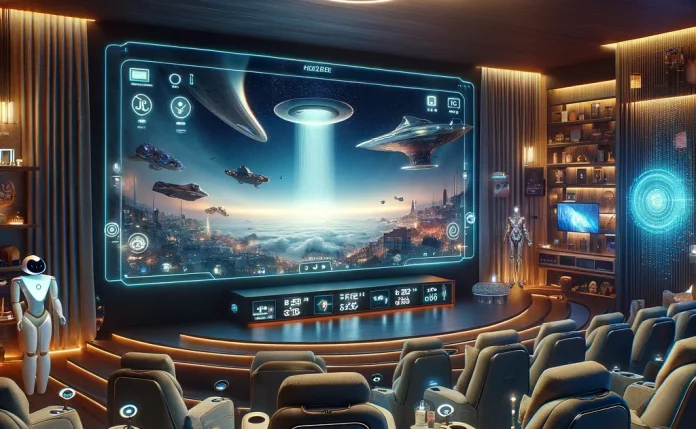
Home theaters in 2025 are more than just a screen and sound system—they’re immersive spaces designed for comfort, functionality, and cutting-edge entertainment. As technology evolves, so do the possibilities for creating a cinematic experience that fits seamlessly into modern homes.
From innovative layouts to multi-purpose designs, today’s home theaters are redefining how people enjoy movies, gaming, and streaming. It’s not just about what’s on the screen; it’s about crafting a space that enhances every moment of the experience.
Room Layout Strategies That Enhance Screen Immersion
Effective room layouts prioritize screen visibility and viewer comfort by considering seating alignment, acoustic optimization, and viewing angles. Adjusting the layout around a focal screen ensures the audience’s attention remains undistracted by external elements.
Seating Placement and Spacing
Positioning seating at the proper distance enhances immersion and prevents eye strain. For a 4K UHD screen, the ideal distance is 1.5 times the diagonal screen size. Create tiered rows if space permits, ensuring unobstructed views for all seats.
Acoustic Considerations
Proper speaker positioning achieves balanced sound across the room. Place front speakers at ear level relative to the primary seating position, and keep rear and surround speakers angled toward the audience to maintain directional audio clarity.
Screen and Viewing Angles
Install the screen at or just below eye level based on the primary seating arrangement. Maintain a 30-40 degree viewing angle from every seat for uniform screen immersion. Larger screens benefit from curved layouts, as they refine peripheral visibility.
Lighting and Ambient Design
Eliminate glare and reflections by designing controlled ambient lighting zones. Use dimmable LED lights or integrated smart systems to adjust light intensity during use. Avoid placing light sources directly behind or above the screen to prevent disruptions.
For readers seeking specialized recommendations, exploring Custom Home Theater Design Chicago can provide insights tailored to local architectural styles and constraints.
Upgrading Seating Plans for Comfort and Sightline Optimization
Optimal seating designs in 2025 emphasize comfort and unimpeded sightlines. Recliner chairs with ergonomic support, adjustable headrests, and built-in features like cup holders enhance individual comfort. Modular seating configurations accommodate varied room dimensions and viewer capacities, offering flexibility for larger or smaller gatherings.
Tiered seating maximizes screen visibility in multi-row layouts. Elevated platforms for rear rows ensure clear sightlines to prevent obstructed views. For single-row setups, a curved arrangement directs all seats toward the center of the screen for balanced viewing.
Precise seating distances maintain sightline integrity, reducing eye strain and ensuring an immersive experience. A minimum distance of 1.5 times the diagonal screen size aligns with optimal viewing recommendations. Aligning seats with the primary axis of speaker systems maintains audio consistency for all viewers.
Custom home theater design in Chicago often integrates these seating principles to meet local architectural constraints. Many designs blend functionality with modern aesthetics, enabling users to enjoy tailored layouts. Read more about how these configurations balance comfort and viewing optimization without compromising design objectives.
Concealed AV Wiring and Acoustic Panel Placement Tips
Efficient AV wiring and acoustic panel placement enhance a home theater’s functionality and aesthetics. Concealing wires behind walls or within cable conduits ensures a neat appearance and prevents tripping hazards. Strategically placed access panels simplify maintenance and upgrades.
Acoustic panel placement impacts sound quality. Position panels on walls adjacent to speakers to minimize sound reflection and enhance clarity. Installing panels behind the seating area absorbs rearward reflections, reducing echo. For optimal coverage, use fabric-covered panels with high NRC (Noise Reduction Coefficient) ratings.
Floor-mounted wiring solutions, like raceways, are ideal when working with existing concrete or tiled floors. Ceiling-mounted options support overhead speakers in Dolby Atmos setups. For custom solutions, exploring professional services in custom home theater design in Chicago can align technical requirements with design preferences.
Ambient Lighting Zones and Automated Scene Controls
Ambient lighting zones and automated scene controls enhance home theater functionality by creating adaptable viewing environments. Zoning divides lighting into distinct sections, such as floor lighting, ceiling fixtures, and wall sconces, to provide controlled illumination without disrupting the screen’s visual quality. For example, indirect LED strip lighting behind screens or seats reduces glare and enhances the cinematic feel. These zones accommodate different activities like movie viewing, gaming, or casual gatherings by adjusting brightness and color temperature.
Automated scene controls streamline lighting adjustments with pre-programmed settings. Systems integrate with smart home technologies, allowing users to switch between modes like “Movie Night” or “Gaming Session” using voice commands or mobile apps. Dimming control, time-based scheduling, and sensor-driven activation create a seamless user experience.
Integrating ambient lighting and automated systems into custom home theater design in Chicago ensures adaptability to local architectural nuances. Advanced automation enhances both functional and aesthetic elements, harmonizing technology with home theater layouts.
Consolidating Gaming, Streaming, and Audio Systems in 2025
Home theaters in 2025 represent the perfect blend of technology, comfort, and design. By integrating advanced layouts, optimized acoustics, and smart lighting solutions, these spaces redefine how entertainment is experienced. They’re no longer just about watching movies—they’re immersive hubs for gaming, streaming, and enjoying high-quality audio.
With tailored seating, concealed wiring, and innovative lighting zones, homeowners can create setups that cater to both functionality and aesthetics. Whether it’s a cozy single-row arrangement or a multi-tiered theater, every detail contributes to a seamless and engaging environment.
As technology continues to evolve, investing in custom designs ensures that home theaters remain adaptable and future-ready. These personalized solutions not only enhance the viewing experience but also align with individual preferences and architectural styles. The home theater of 2025 isn’t just a room—it’s a lifestyle upgrade.
