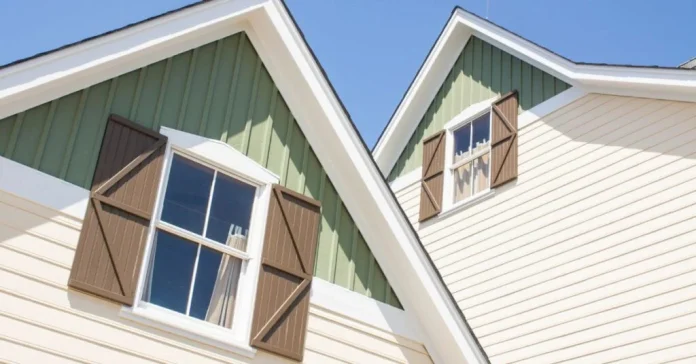
When it comes to home exteriors, LP siding has become a popular choice for homeowners and builders alike. Known for its durability and aesthetic appeal, this engineered wood product combines strength and style, making it a reliable option for various architectural designs.
LP siding isn’t just about looks—it’s designed to withstand harsh weather, resist damage, and offer long-lasting performance. Whether you’re renovating or building from scratch, understanding its advantages, practical uses, and durability factors can help you make an informed decision for your next project.
What Sets LP Engineered Wood Apart from Traditional Siding Materials
LP engineered wood siding differs from traditional materials like vinyl, fiber cement, or natural wood in several key aspects. Its innovative composition combines wood fibers and resin to create a product that’s more durable, versatile, and resistant to environmental factors.
- Superior Durability
LP siding resists common issues like warping, cracking, and splitting, which often affect natural wood. The SmartSide manufacturing process includes zinc borate treatment that protects against moisture, fungi, and termites, ensuring long-lasting performance.
- Enhanced Weather Resistance
Unlike traditional wood, LP’s engineered panels withstand extreme climates, including high humidity and freeze-thaw cycles. This feature makes it suitable for regions prone to harsh weather, as seen in many Midwestern renovations.
- Lightweight and Easy Installation
LP siding is lighter than fiber cement, simplifying handling and reducing installation time. Contractors often find it easier to cut and nail compared to heavier alternatives, streamlining construction processes.
- Aesthetic Versatility
Engineered wood siding mimics the look of natural wood grain while offering diverse styles, including cedar texture and smooth finishes. Its ability to complement various architectural designs adds to its appeal.
- Lower Maintenance Requirements
LP siding requires less upkeep than traditional wood. Regular cleaning and occasional painting or staining maintain its appearance without the intensive care natural wood demands.
For those comparing materials, the LP Siding Guide provides additional insights into its advantages, installation methods, and weather resistance, helping homeowners make informed decisions.
Weather Resistance Features Built into LP SmartSide Panels
LP SmartSide panels integrate advanced technologies to ensure durability in various climates. The panels feature a proprietary SmartGuard process that includes resin-saturated overlays and zinc-borate treatments to protect against moisture, rot, and fungal decay. This treatment keeps the panels structurally sound even in regions with heavy rainfall or high humidity.
The engineered wood core in LP SmartSide panels resists swelling, warping, and delamination due to temperature fluctuations. The innovative design also includes a pre-primed surface, enhancing paint adhesion and providing an additional layer of moisture defense. These features allow the panels to perform well in extreme conditions such as freezing winters or sweltering summers.
The panels are tested to withstand wind speeds up to 200 mph, aligning with requirements for areas prone to hurricanes or tornadoes. Their impact resistance enables them to endure hail and debris without cracking or denting, maintaining aesthetics and functionality. Homeowners and builders can Find out more about these weather-resistant properties in the LP Siding Guide.
LP Siding Installation Guidelines for Residential Exteriors
Proper adherence to installation practices ensures LP siding performs optimally on residential exteriors. Manufacturers like LP provide detailed instructions to streamline the process and maximize product lifespan. Below are key steps and considerations:
- Preparation and Tools
Inspect walls for smoothness before installation. Use essential tools like a circular saw with a fine-tooth blade, a level, a framing square, and corrosion-resistant nails or screws. Confirm that walls are free of damage and adequately sheathed.
- Cutting and Handling Panels
Cut panels face down to avoid chipping the surface. Support the siding during cuts to prevent splintering. Always handle panels by their edges to reduce unnecessary pressure on their structure.
- Weatherproofing
Apply a weather-resistant barrier over the sheathing before attaching LP siding. Flash openings such as windows and doors using approved materials to block moisture penetration. Overlap barrier edges to create continuous water deflection.
- Fastening Techniques
Nail siding into studs spaced no more than 16 inches apart. Maintain a minimum clearance of 6 inches from the ground and 1 inch away from horizontal surfaces like decks. Position nails flush to avoid damage yet ensure a secure hold.
- Expansion and Spacing
Leave a 3/16-inch gap between siding pieces for thermal expansion. Seal these gaps with high-quality caulking to avoid water intrusion and maintain a smooth appearance. Follow manufacturer spacing recommendations precisely.
- Joint Sealing
Use factory-edge joints when possible. Apply sealant behind joints for enhanced moisture resistance. Stagger the joints between rows to strengthen wind-resistance and enhance visual appeal.
- Painting or Staining
Ensure the siding is pre-primed or treated before applying the topcoat. Choose exterior-grade paint or stain for durability. Follow curing times from product guidelines before subjecting panels to harsh weather.
- Final Inspection
Inspect the installed siding for alignment and secure fastening. Verify that sealing around openings, joints, and trim meets weatherproofing standards. Address any inconsistencies immediately to avoid long-term damages.
Homeowners and contractors frequently consult the LP Siding Guide for detailed instructions and additional tips tailored to distinct climates or structural designs. This comprehensive resource ensures a professional-quality installation that adheres to warranty requirements. Find out more by exploring the guide for further clarification on these installation standards.
Moisture Management and Paint Retention Performance Metrics
LP siding demonstrates excellent moisture management capabilities due to its engineered design. The SmartGuard manufacturing process integrates waxes, resins, and zinc borate into the siding panels, creating a durable barrier against moisture infiltration. This design prevents swelling, warping, or rotting even in high-humidity environments or areas with frequent rainfall.
The pre-primed surface of LP siding enhances paint retention by enabling improved adhesion. This ensures that applied exterior paints maintain their appearance over time without premature peeling or cracking. Regular maintenance, such as cleaning and repainting when necessary, further extends the aesthetic durability of LP siding. Builders and homeowners often refer to the LP Siding Guide for tips on choosing compatible paints and optimizing performance.
Performance evaluations indicate that LP siding retains structural integrity under varying climate conditions. Tests show resistance to fungal growth and water absorption, making it suitable for regions prone to moisture-related challenges. For additional resources or detailed guidelines on maintaining and protecting LP siding, users can find out more in the LP Siding Guide.
Use Cases: Why Midwest Homes Are Opting for LP Over Vinyl
Midwest homeowners frequently choose LP siding for its ability to handle the region’s extreme weather conditions. Engineered wood siding withstands harsh winters, heavy rains, and high winds without swelling or cracking. Unlike vinyl, it resists impact damage from hail and wind-driven debris, making it a reliable option for long-term durability in climates subject to severe storms.
Aesthetic flexibility also makes LP siding appealing for Midwestern properties. Its natural wood appearance complements traditional and modern architectural styles common in this region, from Craftsman homes to contemporary ranch designs. LP siding’s pre-primed panels easily accept custom paints and stains, which allows homeowners to achieve personalized color schemes that vinyl products can’t replicate.
LP siding suits a variety of residential projects in the Midwest, including new construction and re-siding older homes. Its lightweight design speeds up installation and reduces labor time compared to fiber cement, an advantage that vinyl doesn’t offer at comparable durability levels. Builders and contractors often rely on the LP Siding Guide to select engineered wood solutions tailored to local conditions and homeowner preferences.
Many Midwestern homeowners value LP siding’s energy efficiency benefits. When paired with proper insulation, it helps reduce heating and cooling costs, which is crucial in areas with temperature extremes. The reduced maintenance requirements further contribute to its appeal; regular cleaning suffices to keep it in optimal condition, whereas vinyl may require frequent repairs or replacements. To find out more about product comparisons and application tips, users can consult the LP Siding Guide.
Common Misconceptions About LP Siding Lifespan and Repairs
Many assume LP siding requires frequent repairs or struggles to endure harsh climates, but its engineered design proves otherwise. Built to resist moisture, impact, and extreme weather, it offers long-term durability with minimal upkeep.
Another misconception is that LP siding lacks versatility compared to traditional materials. In reality, it combines natural wood aesthetics with modern performance, making it adaptable to various architectural styles and regions.
With proper installation and maintenance, LP siding delivers reliable performance for years. Homeowners and builders can explore the LP Siding Guide for expert tips and insights to maximize its benefits.
