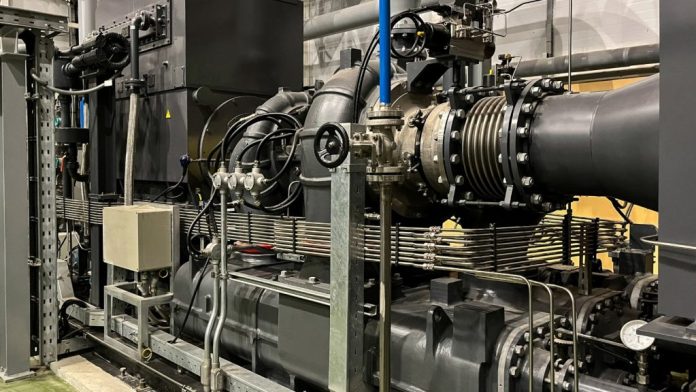
Choosing the right industrial air compressor is crucial for maintaining operational efficiency and minimizing downtime. With various models and features available, selecting the best fit can significantly impact productivity and energy costs. Businesses need to consider several key factors to ensure their equipment aligns with their specific needs.
From airflow catalytic converter scrap price requirements to energy efficiency, each aspect plays a vital role in optimizing performance. Overlooking these essentials can lead to higher expenses and reduced output. By understanding the critical elements that influence compressor selection, companies can make informed decisions that boost efficiency and long-term reliability.
Determining Flow Rate Needs Based on Application Type
Flow rate requirements, measured in cubic feet per minute (CFM), directly impact compressor selection. Application-specific demands dictate the necessary airflow to ensure operational efficiency without overloading the compressor.
High-Flow Applications
Industrial processes like spray painting and sandblasting often demand high flow rates. For example, spray painting requires approximately 12-20 CFM, while sandblasting may need over 100 CFM. Compressors with higher capacities ensure consistent pressure levels for these activities.
Moderate-Flow Applications
Medium-scale operations such as pneumatic tools or packaging machinery typically use 5-15 CFM. Matching compressor output to equipment needs avoids inefficiencies and prolongs system life.
Low-Flow Applications
Precision-driven tasks like laboratory equipment or small automation systems often require less than 5 CFM. Selecting low-capacity compressors reduces energy consumption and supports accuracy in such applications.
Matching flow rate needs to application demands optimizes performance. Reference tools like the “Best Industrial Air Compressor Guide” can simplify airflow calculation and streamline the selection process.
Duty Cycle Ratings and Their Impact on Compressor Longevity
Duty cycle ratings determine how long an industrial air compressor operates within a specific period without overheating. Expressed as a percentage, they indicate the compressor’s runtime relative to a complete cycle. For example, a 75% duty cycle means the unit runs for 45 minutes and rests for 15 minutes within an hour. These ratings are crucial for ensuring performance aligns with operational demands.
Overloading a compressor beyond its duty cycle causes overheating, reduced efficiency, and increased maintenance. Continuous-use applications, such as manufacturing and energy sectors, require compressors with a 100% duty cycle for seamless operation. Conversely, intermittent-use environments like packaging benefit from lower duty cycle models to balance cost and performance.
Matching duty cycle ratings to specific operational needs improves compressor longevity and reduces downtime. Resources like the “Best Industrial Air Compressor Guide” from fluidairedynamics.com provide insights on selecting compressors with suitable ratings for long-term reliability. Proper evaluation of duty cycle requirements extends equipment lifespan and minimizes operational risks.
Air Cooling vs. Water Cooling Systems in 2025 Industrial Use
Cooling systems play a vital role in maintaining industrial air compressor performance and reliability. Understanding the differences between air cooling and water cooling systems helps businesses make informed decisions that align with their operational needs.
Air Cooling Systems
Air cooling systems rely on ambient air to dissipate heat through fins or heat exchangers. These systems are common in smaller or portable compressors used for applications such as pneumatic tools and packaging equipment, where environment control is less critical. They are cost-effective, easier to maintain, and suitable for industries with moderate cooling requirements. However, air cooling may struggle in environments with high ambient temperatures or continuous-use demands, as its heat dissipation capability is limited.
Water Cooling Systems
Water cooling systems use a continuous flow of water to manage heat build-up, ensuring consistent temperature regulation. These systems are ideal for large-scale industrial applications such as manufacturing, energy production, or processes requiring 100% duty cycles. Water-cooled compressors offer superior efficiency in environments with high thermal loads or extreme ambient conditions. While installation and operational costs are higher due to water supply and regulation, their ability to handle heavy-duty tasks with minimal overheating offsets these expenses.
Choosing the Right System
Selecting the appropriate cooling system depends on factors like operational scale, duty cycle requirements, and environmental conditions. Air cooling suits smaller setups or low-duty-cycle operations, while water cooling serves high-temperature, continuous-use scenarios. Tools like the “Best Industrial Air Compressor Guide” provide insights to simplify decision-making by comparing system efficiencies, costs, and application compatibilities.
Space and Noise Considerations for Indoor Installation
Space availability and noise levels are critical when installing industrial air compressors indoors. Compact layouts or crowded operational areas necessitate compressors with smaller footprints or modular designs to ensure optimal utilization. Vertical tank models, for instance, minimize floor space requirements compared to horizontal designs.
Noise generated during compressor operations impacts workplace comfort and compliance with local noise regulations. Air compressors typically produce noise levels ranging between 60-90 decibels (dB). Enclosed units or sound-dampening enclosures can help achieve quieter operations, especially in noise-sensitive environments like laboratories or assembly lines.
Proper ventilation is essential for heat dissipation during compressor use. Insufficient airflow in confined spaces may lead to overheating, reducing operational efficiency and increasing maintenance needs. Adopting solutions like wall-mounted ventilation systems or remote installation of larger compressors improves heat management.
For comprehensive planning on selecting an efficient model, resources such as the “Best Industrial Air Compressor Guide” provide guidelines for navigating space constraints and noise mitigation options.
Smart Control Panels and Monitoring Integration Trends
Modern industrial air compressors increasingly feature smart control panels integrated with advanced monitoring systems. These panels provide real-time data on key parameters like pressure, temperature, energy consumption, and runtime. Operators leverage this information to identify inefficiencies, plan maintenance, and prevent unexpected downtime. For example, dashboards displaying energy usage trends can optimize power consumption during peak operational hours.
Remote monitoring technologies enable operators to oversee compressor performance from virtually anywhere. Cloud-based systems track metrics across multiple sites, ensuring centralized management for large-scale operations. Alerts for issues such as pressure drops or overheating enhance responsiveness, minimizing operational disruptions.
AI-driven analytics further streamline monitoring integration. Predictive maintenance tools analyze historical data to forecast potential failures, reducing maintenance costs and extending machinery lifespan. Connected systems that integrate with enterprise resource planning (ERP) software improve operational efficiency by aligning compressor performance with overall production workflows.
Adopting smart control panels and monitoring solutions aligns with trends in Industry 4.0, where automation and data integration drive reliability and efficiency. Platforms like the “Best Industrial Air Compressor Guide” provide insights into these technologies, helping businesses select equipment that meets modernization goals.
Real-World Case Studies in Manufacturing and Food Processing Facilities
Selecting the right industrial air compressor can transform operational efficiency across industries. Manufacturing facilities have reported significant reductions in downtime by opting for compressors with 100% duty cycles and advanced cooling systems. Similarly, food processing plants have enhanced productivity by utilizing smart monitoring technologies to maintain consistent airflow and streamline maintenance schedules.
These real-world examples highlight the tangible benefits of aligning compressor features with specific operational needs. By prioritizing factors like flow rate, duty cycle, and cooling systems, businesses can achieve long-term reliability and cost savings.
