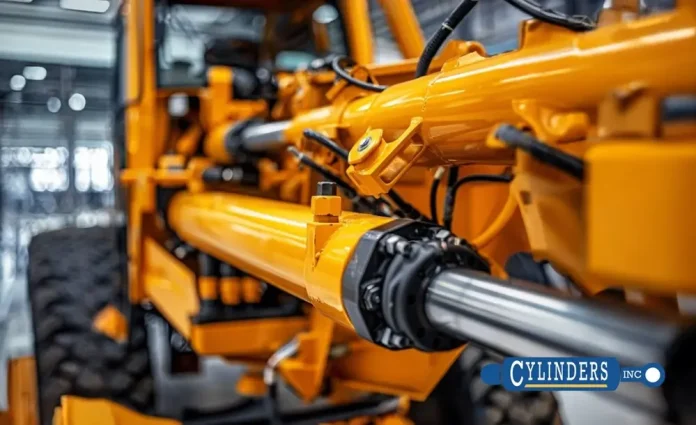
Hydraulic cylinders have become the backbone of modern construction equipment, powering everything from excavators to loaders with unmatched precision and efficiency. These essential components translate hydraulic energy into mechanical force, enabling heavy machinery to perform complex tasks with ease. As construction demands grow, so does the reliance on these powerful devices.
Advancements in hydraulic technology are reshaping the construction industry, offering enhanced durability, greater load capacities, and improved energy efficiency. Their expanding role is not just about raw power; it’s also about enabling smarter, more versatile equipment that meets the challenges of modern construction projects.
How Excavators and Backhoes Leverage Cylinder Precision in 2025
Excavators and backhoes rely on advanced hydraulic cylinders to perform highly precise tasks, critical for modern construction. These machines benefit from cylinders engineered for accuracy, enabling smooth movements in digging, lifting, and grading. For example, boom, stick, and bucket cylinders combine to control excavators’ articulated arms, ensuring exact digging depths and consistent material handling.
Enhanced sensor integration in 2025 improves cylinder precision by allowing real-time monitoring and adjustment. Digital controls integrated with sensors detect pressure, angle, and load, enabling construction equipment to adapt to changing conditions efficiently. This level of precision supports complex site requirements, like trenching near sensitive infrastructure.
Manufacturers focus on durability and performance by using high-grade materials for hydraulic cylinders. Wear-resistant coatings and seals reduce maintenance needs, even in harsh environments. This durability ensures excavation and earthmoving tasks are completed without interruptions from equipment failures.
Hydraulic Cylinders in Construction equipment, as noted by cylindersinc.com, enable higher productivity through enhanced performance, reduced downtime, and accuracy. The role of these cylinders has expanded as construction demands continue to grow, aligning with technology-focused innovations in machinery.
Advancements in Rod Coatings for Dust and Debris Resistance on Site
Rod coatings on hydraulic cylinders in construction are evolving to enhance protection against dust, debris, and environmental wear. Advanced technologies like ceramic or chrome plating significantly improve resistance to abrasions and chemical exposure. These coatings ensure reliable operation by reducing surface damage from harsh job site conditions.
Modern coatings provide a lower friction coefficient, minimizing energy loss during cylinder operation. This efficiency contributes to extending the service life of equipment used in demanding tasks such as excavation and heavy lifting. Additionally, innovations like plasma-spray applications enhance adhesion, creating durable protective layers designed to withstand extreme environments.
Manufacturers focus on eco-friendly coating solutions to align with sustainable construction practices. Non-toxic materials and energy-efficient processes in coating production are increasingly prioritized. As these advancements continue, companies such as cylindersinc.com play a crucial role in integrating durable rod coatings into high-performance hydraulic cylinders for the construction sector.
Cylinder Stroke Optimization for Compact Construction Machinery
Optimizing cylinder stroke is essential for compact construction equipment, ensuring efficient performance in confined spaces. Shorter stroke hydraulic cylinders maximize precision and control, which is critical for machinery like mini-excavators, skid-steer loaders, and compact telehandlers during operations such as trenching, material handling, and grading.
Manufacturers refine cylinder designs by balancing stroke length with structural durability, enabling compact equipment to maintain force and stability while operating in restricted areas. Advanced materials and coatings reduce wear, supporting extended cylinder life under high-frequency usage. Enhanced stroke efficiency reduces energy consumption, aligning with industry trends toward sustainability.
Integrated feedback systems further improve stroke control for compact machines by enabling real-time adjustments. These systems leverage sensors to monitor piston travel and load conditions, boosting accuracy during repetitive tasks. Websites like cylindersinc.com often explore innovations in hydraulic cylinders, underscoring their expanding role in advancing construction machinery efficiency.
New Sensor Integration in Cylinders for Load Feedback and Control
Modern hydraulic cylinders incorporate advanced sensors that enhance load feedback and control. Position sensors embedded within the cylinder track rod movement, enabling precise measurements of stroke length and position during operation. Load sensors measure forces exerted during lifting and maneuvering tasks. These integrations improve task accuracy and allow machinery like excavators, loaders, and cranes to adapt to varying load requirements.
Cylinders equipped with real-time feedback systems optimize control for operators. Data from integrated sensors is transmitted to the equipment’s control units, where it assists in fine-tuning hydraulic flow and pressure. This adaptive control minimizes energy waste, increasing the efficiency of hydraulic cylinders in construction equipment. For example, during lifting operations, the system adjusts cylinder performance to maintain stability and prevent overloading.
Durable sensor designs withstand harsh construction environments. Manufacturers use encapsulated electronics and reinforced housings to protect sensors from dust, vibration, and temperature extremes on job sites. This ensures long-term reliability and reduces maintenance needs, even during operations in challenging conditions.
By integrating these sensors, hydraulic cylinders contribute significantly to precision and productivity in modern construction.
Managing Heat Expansion and Pressure Cycling in Variable Terrain
Hydraulic cylinders in construction equipment frequently operate under fluctuating pressures and temperatures caused by variable terrain. These conditions can lead to thermal expansion of hydraulic fluids and components, potentially affecting cylinder performance. Advanced engineering solutions mitigate these issues by incorporating materials like high-strength alloys and temperature-resistant seals. These materials maintain structural integrity and sealing effectiveness, even in extreme operating environments.
Pressure cycling from repeated lifting and digging tasks creates additional stress on hydraulic cylinders. Manufacturers counteract this by using multi-stage seals and reinforced cylinder walls that resist fatigue and wear. This ensures consistent hydraulic performance under variable loads, reducing the risk of failure during critical operations. In environments like rocky slopes or loose soil, the enhanced durability supports reliable function.
To manage heat buildup, many designs now include integrated cooling systems. These systems regulate fluid temperature in hydraulic cylinders, preventing overheating and fluid degradation. For instance, excavators equipped with temperature-monitoring systems can maintain operational efficiency by automatically adjusting cooling mechanisms during intense use.
Sensors and smart diagnostics further enhance cylinder resilience. Integrated temperature and pressure sensors enable real-time monitoring, alerting operators to potential overheating or excessive pressure. This proactive approach allows for immediate corrective actions, avoiding downtime and extending cylinder lifespan. By combining advanced materials and intelligent systems, hydraulic cylinders in construction meet demanding operational requirements on unpredictable terrains.
Case Study: Cylinder Failures in Harsh Winter Job Sites and How They’re Prevented
Hydraulic cylinders face unique challenges in extreme winter conditions, where freezing temperatures and moisture can compromise performance. Inadequate sealing and material fatigue often lead to failures, causing costly downtime and project delays. To combat this, manufacturers have developed advanced seals resistant to temperature fluctuations and moisture ingress, ensuring cylinders maintain integrity under harsh conditions.
High-strength alloys and specialized coatings also play a crucial role in preventing wear and corrosion caused by ice, snow, and de-icing chemicals. Integrated heating systems and temperature sensors help regulate fluid viscosity, ensuring smooth operation even in sub-zero environments. These innovations not only prevent failures but also enhance the reliability and lifespan of hydraulic cylinders.
By addressing these environmental challenges, modern hydraulic solutions ensure construction equipment remains efficient and dependable, regardless of seasonal demands. This adaptability highlights the critical role hydraulic cylinders play in overcoming real-world obstacles in today’s construction landscape.
